
On this page
Painting guides / Preparation & Repairs
Published: 27 October 2025 · Updated: 4 October 2026
By Noble Painting Editorial Team · 3-minute read
The most useful wall painting tips are repeatable techniques, not shortcuts. Prepare a sound surface, choose suitable tools and work within the paint’s application instructions. A more even finish depends on keeping those steps consistent across the wall.
Set up before opening the paint
Clear the work area, protect floors and gather the right roller, brush, tray and extension pole. Check the surface for grease, dust, loose paint and visible repairs. Deal with those before coating rather than trying to hide them with thicker paint.
Confirm the selected product is suitable for the surface. Assess suspect older materials before any sanding or scraping. Make lighting and safe access part of the setup so missed areas can be seen while work is in progress.
Choose and load the roller consistently
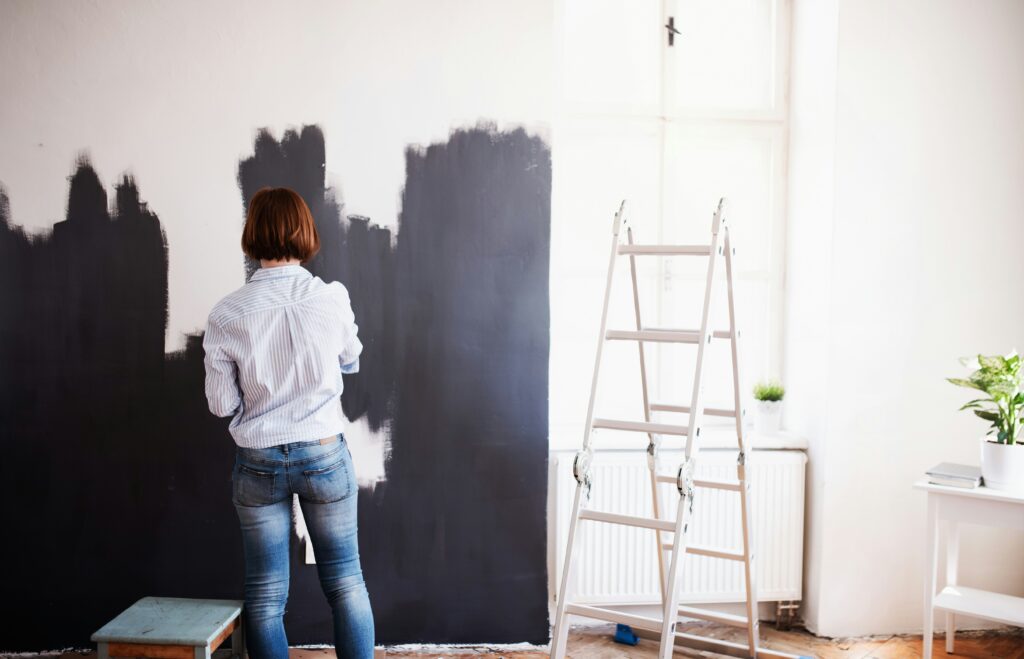
Match the roller nap and material to the coating and surface texture. A rough wall generally needs different tools from a smooth door. Follow the paint and tool guidance instead of choosing solely on price.
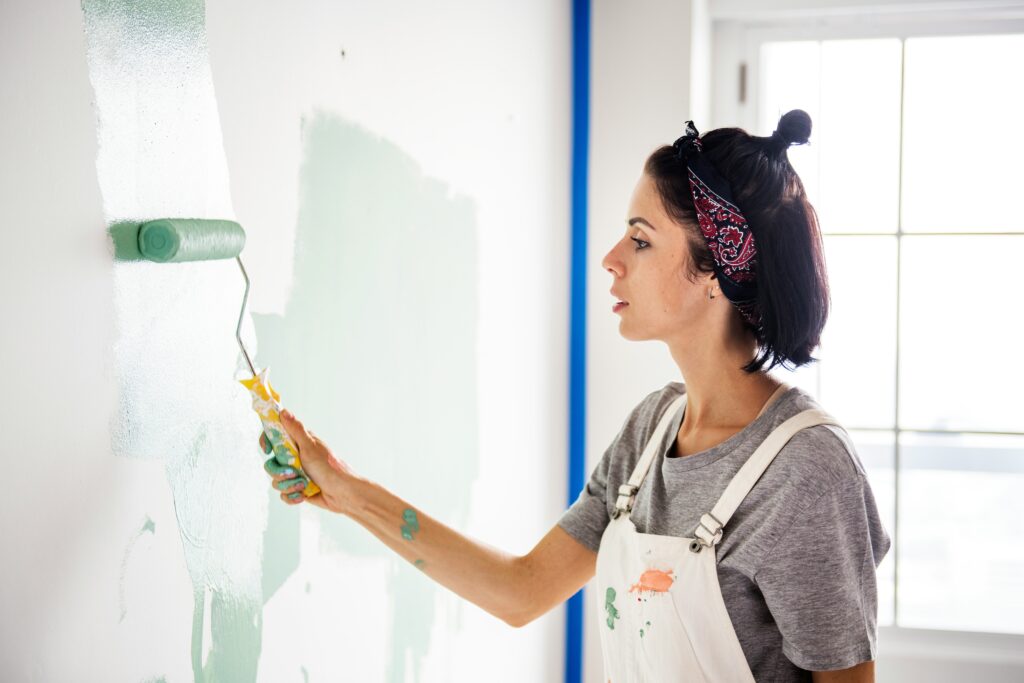
Load the roller evenly and remove excess in the tray. Avoid forcing a nearly dry roller over a large area. Dulux’s roller guide provides a useful technique reference.
Plan the working edge
Cut in a manageable section and roll while the edge remains workable, where the product allows. Use a consistent pattern and pressure. Do not repeatedly return to areas that have started drying; that can alter texture and appearance.
Work across manageable areas without leaving isolated dry edges in the middle of a wall. Doors, corners and wall boundaries are more natural stopping points.
Let repairs and coats dry properly
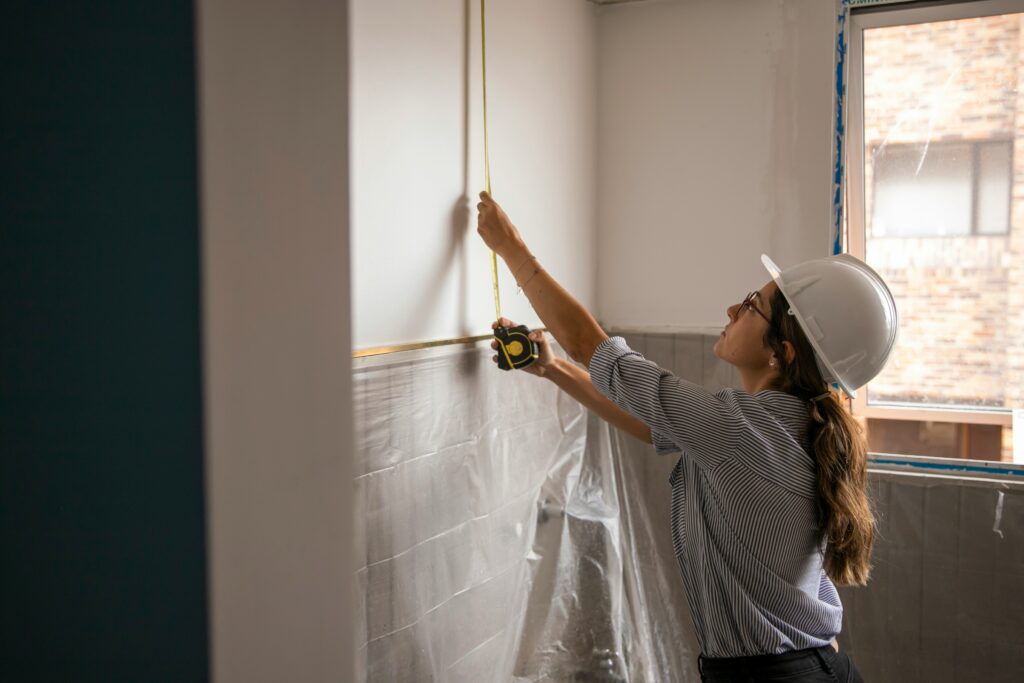
Filler, primer and topcoat each have their own timing. Follow instructions for the actual conditions and avoid using touch-dry as a recoat test. A heavy coat is not a reliable way to reduce the number of coats.
After drying, inspect colour, coverage and texture under normal room lighting. If there is a defect, identify whether it comes from the substrate, application or coating compatibility before repeating the same method.
Useful habits that prevent avoidable rework
- Keep a labelled record of colour, product and sheen.
- Mix and prepare paint according to its instructions.
- Maintain clean tools and a protected work area.
- Test unfamiliar products on a suitable small area.
- Allow time for dry repairs and proper recoating.
Where the walls need extensive repair or coating removal, a professional assessment can make the scope clearer. Contact Noble Painting about interior painting with photographs of the existing finish.
Frequently asked questions
Should I press harder to spread paint further?
Consistent loading and pressure are better than forcing a dry roller. Follow the tool and paint guidance for coverage and technique.
Can I fix a patch while the surrounding paint is drying?
Repeatedly working partly dried paint can change the texture. Let it dry and assess the appropriate correction.




One Response