On this page
Painting guides / Exterior Painting & Queenslanders
Published: 12 January 2026 · Updated: 4 October 2026
By Noble Painting Editorial Team · 3-minute read
A successful Queenslander exterior colour scheme brings weatherboards, veranda details, roof and garden together. Start with the elements that will stay, then choose a restrained body, trim and accent palette. The combinations below are starting points for sampling, rather than a claim that one scheme suits every historic home.
Begin with the building, not a trend
Photograph the front elevation in morning and afternoon light. Identify the existing roof, brickwork, stone, timber and neighbouring colours. These fixed elements can make a cool white look stark or a warm cream look yellow.
Decide which architectural details deserve emphasis. Fretwork, posts and window surrounds can be highlighted with trim colour, while repeating too many accents can make an ornate facade feel busy.
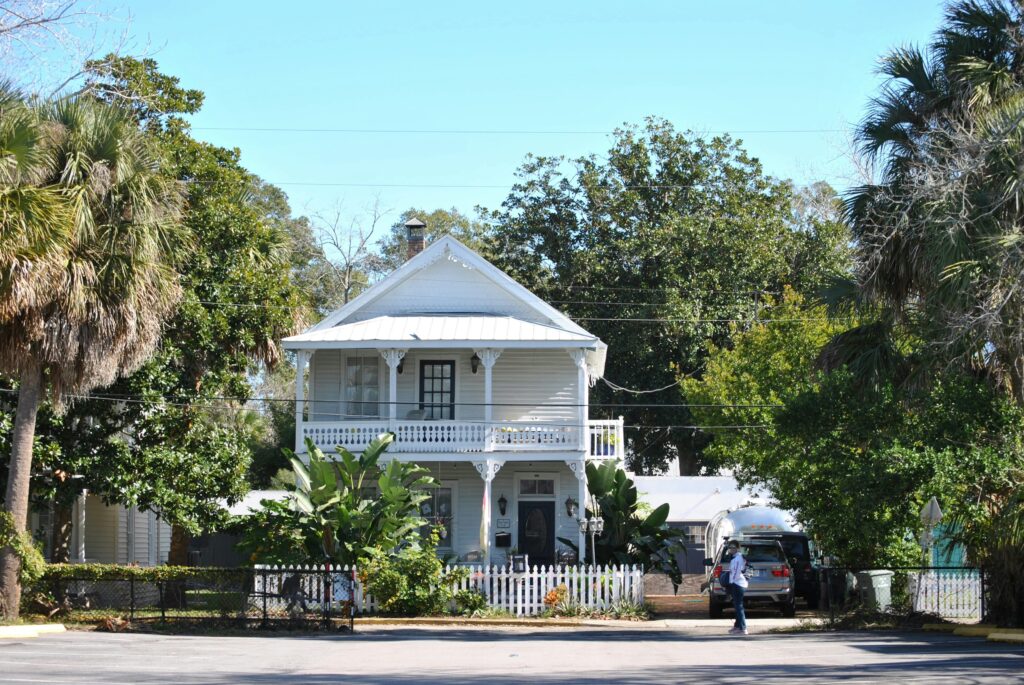
Four palette ideas to test
- Warm white, soft grey and a deep green door: a restrained scheme when roof and paving have compatible undertones.
- Cream weatherboards and muted green trim: a softer option to test alongside warm timber and gardens.
- Pale blue-grey with off-white trim: a coastal-inspired approach; check how blue the sample looks in open shade.
- Muted sage with cream detailing: a garden-connected option that can emphasise timber features without a sharp contrast.
Use one main body colour, one trim colour and a limited accent where possible. Roof colour should be considered from the start, even when it is not being repainted.
Test colour at the real scale
Place large samples beside the roof edge, window frames and veranda floor. Check them in direct sun, shade and evening light. A small colour chip cannot show how a whole elevation will feel.
Ask about substrate or coating restrictions before choosing a very dark body colour. Colour approval and product approval are separate decisions.

Check heritage requirements before work starts
A Queenslander is not automatically a heritage-listed property. Where a property is locally or state listed, check the requirements for the proposed work before changing finishes or commencing preparation. Brisbane City Council’s guide to painting traditional timber houses includes heritage and approval considerations.
Older coatings and building materials may also need assessment before sanding or removal. Do not assume an attractive facade is free of lead paint or asbestos-containing materials.
Turn the palette into a clear specification
List each element and its colour: body, trims, door, balustrade, steps and any lattice. Include sheen and product selection, then sign off on a labelled sample. Agree whether timber repairs and access equipment are included in the quote.
Noble Painting’s service information includes Queenslander restorations. A property assessment can help connect colour choices with the preparation the timber actually needs.
Frequently asked questions
Must a Queenslander use heritage colours?
That depends on the property and any applicable heritage requirements. Check the relevant controls before choosing a scheme.
Should the roof and weatherboards match?
They do not have to match. They should work together in undertone and contrast, tested with the permanent features of the house.