
On this page
Painting guides / Preparation & Repairs
Published: 19 January 2026 · Updated: 4 October 2026
By Noble Painting Editorial Team · 2-minute read
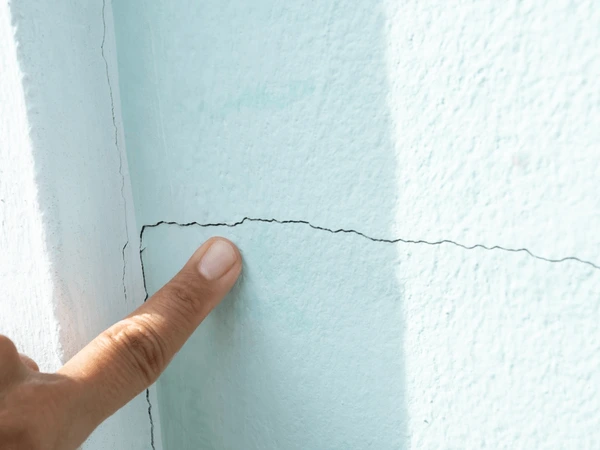
Hairline wall crack repair starts with assessment. A fine line can be a cosmetic plaster defect, but appearance alone does not establish the cause. Painting may improve presentation after a suitable repair; it cannot stop structural movement or solve a moisture problem.
Record the crack before repairing it
Photograph its location, length and any nearby staining. Note whether it follows a joint, appears around a door or crosses several surfaces. Record when it appeared and whether it changes over time.
Seek advice from a qualified building professional where cracks widen, recur, appear with sticking doors or visible movement, or are associated with dampness. Do not use a universal crack-width rule to declare a wall safe.
Match the repair to the substrate
Plasterboard joints, plaster, render and masonry behave differently. They may require different fillers, jointing compounds, reinforcement and preparation. Flexible filler is not the answer to every crack, and mesh tape is not automatically appropriate for every material.
Before disturbing older wall materials, consider asbestos and lead risks. Queensland’s home-renovation guidance explains why suspect materials need assessment.
A typical sequence for a stable cosmetic defect
- Confirm the cause and that the surface is suitable for cosmetic repair.
- Prepare the area using a method appropriate to the substrate and any hazards.
- Apply the specified repair material and reinforcement if required.
- Allow the repair to dry or cure fully.
- Smooth and remove residue using an appropriate method.
- Prime repaired areas where the coating system requires it.
This is a planning outline. The exact method should follow the repair product and substrate requirements.
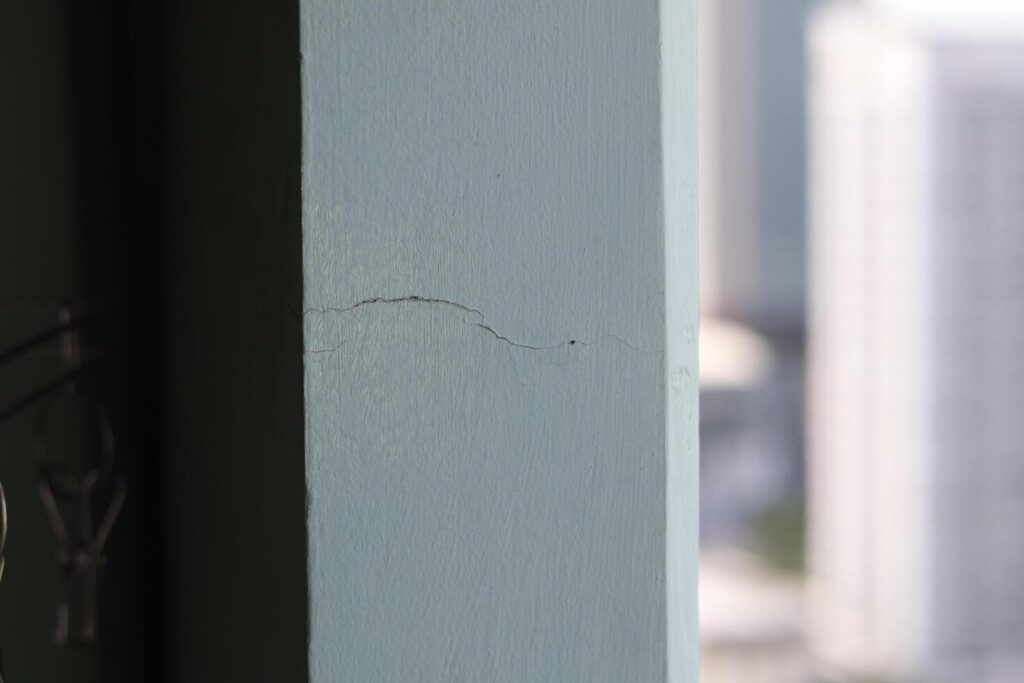
Paint for an even finish
A repaired patch can absorb paint differently from the surrounding wall. Priming and repainting a complete wall section may reduce visible differences in colour or sheen. An exact spot match is harder when the existing paint has aged.
Do not assume an elastomeric exterior coating suits an interior wall or that “crack-resistant” paint will permanently bridge movement. Ask which system is proposed and what problem it is designed to address.
Questions for the assessment
- Is the crack cosmetic, or should another professional investigate?
- Is moisture or movement still active?
- Which repair material suits this substrate?
- What area needs repainting for a consistent finish?
- What limitations apply if movement continues?
Noble Painting’s residential painting service can discuss surface preparation and repainting. Bring photographs and the history of any previous repair.
Frequently asked questions
Can paint alone hide a hairline crack permanently?
It cannot reliably stop a crack caused by continuing movement. Assess the cause and use a suitable repair before repainting.
Does every recurring crack need flexible filler?
No. The cause and substrate determine the repair. Recurring movement or dampness may need investigation beyond cosmetic filling.





2 Responses