Table of Contents
Understanding How Paint Affects Mood isn’t just interesting—it’s one of the most effective ways to transform a home. The colours you choose can influence stress levels, energy, motivation, creativity, and even sleep quality. That’s why professional painters and interior experts take colour selection seriously.
Whether you’re refreshing a single room or planning a full home makeover, this guide breaks down the science behind colour psychology, explains paint colours and emotions, and helps you choose the perfect palette for your lifestyle, personality, and space.
If you need expert help selecting the right colours for your home, the team at Noble Painting is always here to assist. You can learn more about us on the homepage or reach out through our Contact Us page.
What Is Colour Psychology? (And Why It Matters for Your Home)
Colour psychology is the study of how colours influence human behaviour, emotions, and perception. This science is often used in branding, marketing, therapy, and design—and it plays a powerful role in home styling as well.
When we talk about How Paint Affects Mood, we’re really exploring the way different hues trigger emotional responses. For example:
Blues can calm the nervous system
Yellows can spark happiness
Greens promote balance
Greys create tranquillity
Reds increase energy and focus
The key is choosing the right colours for the right spaces. A colour that feels energising in the kitchen may feel overwhelming in a bedroom. Understanding these interior colour meanings helps homeowners decide what emotions they want to nurture in each room.
Why Your Paint Choices Matter More Than You Think
Paint isn’t just cosmetic. It shapes the atmosphere of your home. The right palette can:
Reduce stress levels
Boost productivity
Improve sleep
Lift mood
Increase sense of comfort
Make a home feel more cohesive
This is why so many homeowners in Australia are paying closer attention to How Paint Affects Mood—because creating emotionally aligned spaces leads to a happier home.
How Paint Affects Mood: The Science Behind Colours
Below, we explore the emotional impact of popular colour families. As you read, pay attention to which feelings resonate with your goals for each room.
Warm Colours and Their Psychological Impact
Warm tones include reds, yellows, oranges, terracottas, and earthy neutrals. These shades are known for their uplifting, energetic qualities.
1. Red – Energy, Passion, and Alertness
Red is one of the strongest emotional colours. It increases heart rate, boosts focus, and stimulates conversation.
Best for:
Dining rooms
Creative studios
Accent walls
Psychological effects:
Creates excitement
Enhances appetite
Encourages social interaction
This makes red an excellent choice if your goal is to amplify energy while still understanding How Paint Affects Mood in fast-paced areas of your home.
2. Yellow – Happiness, Warmth, and Optimism
Yellow is scientifically linked to serotonin release, making it one of the best mood-boosting paint colours.
Ideal in:
Kitchens
Living rooms
Entryways
Effects:
Inspires positivity
Creates a welcoming feel
Enhances brightness
If you want a cheerful atmosphere, yellow is one of the best ways to feel the psychological effects of colour.
3. Orange – Creativity and Sociability
Orange blends the stability of red and the cheerfulness of yellow.
Perfect for:
Home gyms
Kids’ playrooms
Brainstorming spaces
Emotional impact:
Boosts motivation
Sparks creativity
Encourages confidence
It’s a great example of How Paint Affects Mood in spaces intended for activity and imagination.
Cool Colours and Their Emotional Influence
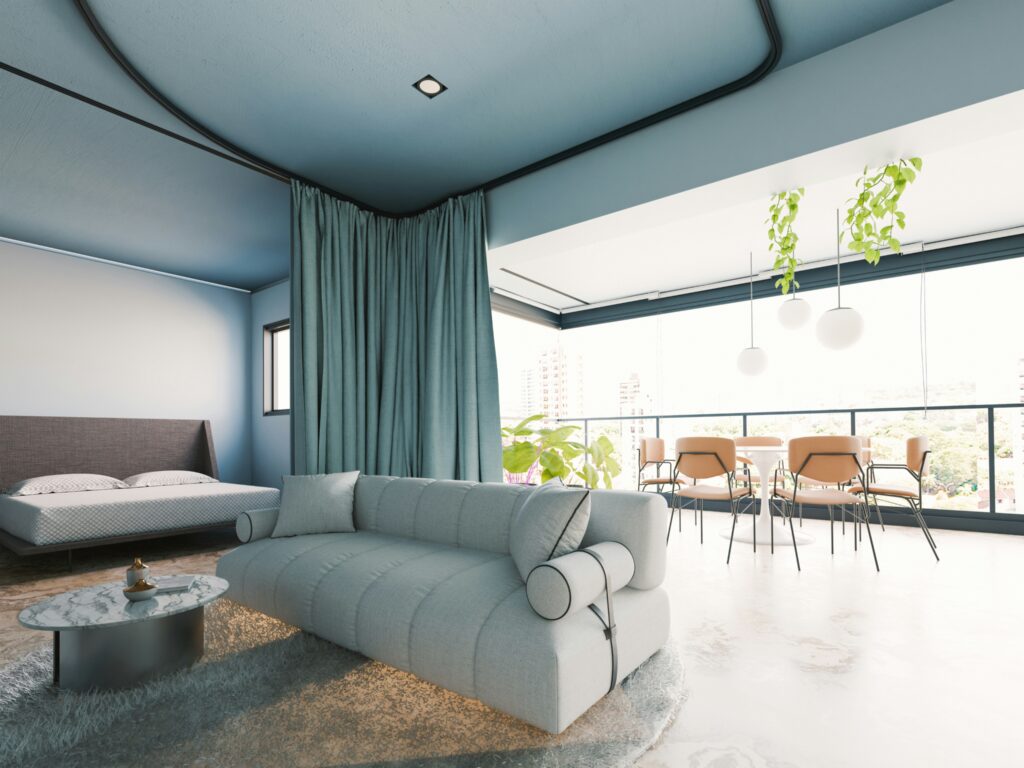
Cool colours—including blues, greens, and purples—create relaxation, peace, and emotional balance.
4. Blue – Calm, Trust, and Clarity
Blue is considered the most universally calming colour.
Best suited for:
Bedrooms
Bathroom retreats
Study rooms
Psychological benefits:
Lowers stress
Encourages deep rest
Boosts focus
This calming effect is a perfect example of paint colours and emotions working together to create serene spaces.
5. Green – Balance, Harmony, and Renewal
Rooted in nature, green creates emotional balance.
Works beautifully in:
Living rooms
Home offices
Bedrooms
Effects include:
Reducing eye strain
Supporting mindfulness
Encouraging creativity without overstimulation
Green is often chosen by homeowners who want soothing, stable interiors.
6. Purple – Luxury and Imagination
Purple is associated with creativity, spirituality, and luxury.
Great for:
Bedrooms
Reading corners
Glam interiors
Purple encourages imaginative thinking—making it ideal for artistic spaces.
Neutral Colours and Their Subtle Psychological Power
Neutrals don’t mean boring. In fact, they are essential for grounding emotional experience in a home.
7. White – Cleanliness and Openness
White symbolises purity and simplicity.
Benefits include:
Enhancing natural light
Making rooms appear bigger
Creating emotional clarity
However, overly stark whites can feel sterile, so many homeowners choose warm whites for better emotional comfort.
8. Grey – Tranquillity and Sophistication
Grey is one of the most popular choices in Australian homes because it pairs well with almost any decor.
Emotional qualities:
Calmness
Stability
Modern elegance
This colour supports emotional neutrality, making it a great example of How Paint Affects Mood by reducing overstimulation.
9. Beige & Taupe – Warmth and Cosiness
These are ideal in:
Living areas
Bedrooms
Open-plan homes
Effects:
Promote relaxation
Add softness
Create welcoming spaces
Interior Colour Meanings: Matching Colours to Each Room
Choosing colours becomes easier when you match the emotional intention to the function of the room.
Bedroom Colour Psychology
For sleeping areas, calming colours work best.
Consider:
Soft blues
Dusty greens
Lavenders
Warm neutrals
These encourage:
Deep relaxation
Reduced stress
A peaceful environment
This is where understanding How Paint Affects Mood is absolutely essential.
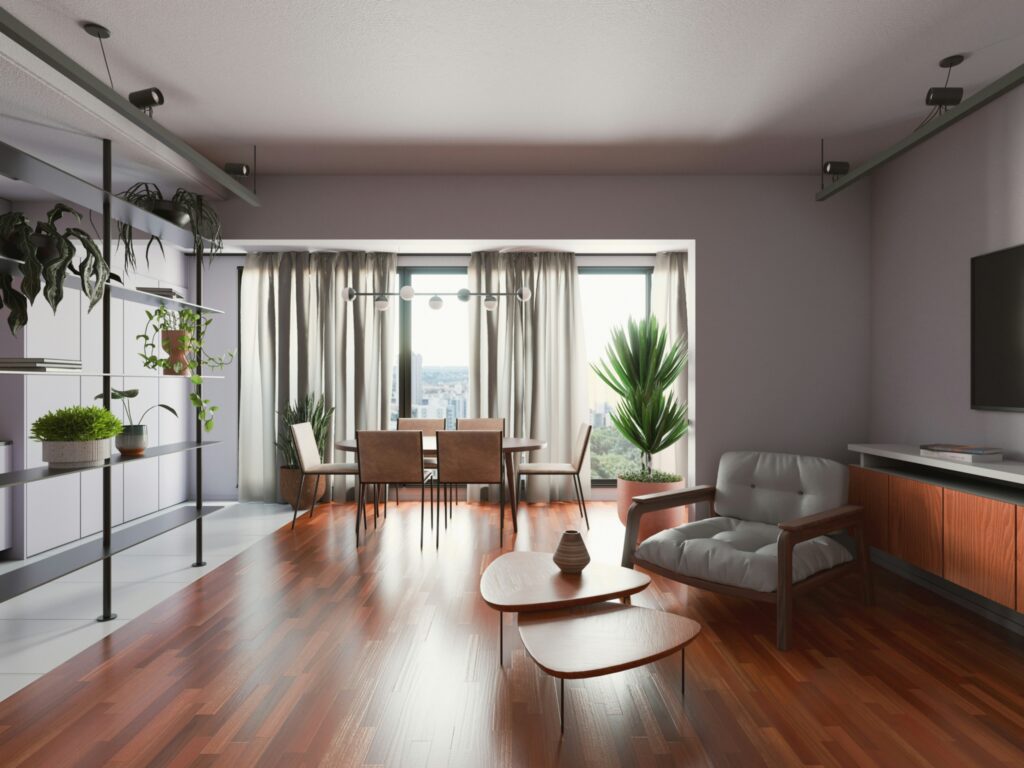
Living Room Colour Psychology
This is the heart of the home—where guests gather and families relax.
Great choices include:
Greys (for calm)
Beige (for warmth)
Muted greens (for balance)
Soft yellows (for brightness)
These colours create harmony without overwhelming the senses.
Kitchen Colour Psychology
Kitchens are lively and social, so uplifting hues are common.
Recommended shades:
Yellows
Warm whites
Soft greens
Earthy tones
These colours create a welcoming and energising atmosphere.
Home Office Colour Psychology
For productivity:
Blues for focus
Greens for creativity
Light neutrals for clarity
Understanding How Paint Affects Mood in a workspace can significantly improve motivation and concentration.
How Paint Affects Mood Based on Colour Saturation & Light
It’s not just the colour family—it’s also the intensity and lighting.
Saturated colours = higher emotional impact
Bold colours increase energy and stimulation.
Great for:
Feature walls
Creative areas
Soft, muted colours = gentle emotional influence
These make rooms feel calm, spacious, and timeless.
Great for:
Bedrooms
Study rooms
Minimalist designs
Lighting also impacts How Paint Affects Mood:
Warm light softens bold hues
Cool light sharpens blues and greys
Natural light enhances emotional clarity
Mood-Boosting Paint Colours for Australian Homes
Australia’s vibrant sunlight and coastal influences shape colour preferences across the country.
Popular mood-boosting paint colours include:
Warm sand tones
Muted ocean blues
Pale sage greens
Soft terracottas
Warm whites
These reflect the Australian environment and amplify a sense of calm, space, and brightness.
Emotional Design Tips: How to Use Colour Psychology in Your Home
Here are practical tips for choosing colours that enhance mood and comfort.
✔ Choose colours based on room purpose
Relaxation? Productivity? Warmth? Energy?
✔ Test samples in natural light
Colours change drastically at different times of the day.
✔ Use accent walls strategically
A single bold wall can shift mood without overwhelming the room.
✔ Balance warm and cool tones
This creates emotional equilibrium.
✔ Highlight architecture with colour
Archways, moulding, high ceilings, and alcoves can all be enhanced.
✔ Avoid trends that don’t fit your lifestyle
Choose emotions—not fads.
If you need personalised advice, you can always consult the Noble Painting team via the Contact Us page.
How Australian Homeowners Can Choose Colours With Confidence
Understanding How Paint Affects Mood empowers homeowners to make emotionally intentional choices. Whether you want tranquillity, inspiration, or energy, the right palette can transform your living experience.
Professional painters—like the experts at Noble Painting—can help you select colours that suit your home’s architecture, lighting, and lifestyle. To explore more, start at our homepage or get in touch anytime.
Conclusion: Colour Is More Than Decoration—It’s Emotional Design
The science of colour psychology reveals just how deeply your environment affects your wellbeing. From calming blues to energising yellows and grounding neutrals, every hue plays a psychological role.
By understanding How Paint Affects Mood and exploring interior colour meanings, you can create a home that supports your emotions, your goals, and your comfort every day.
If you’re ready to transform your space with expert guidance, don’t hesitate to reach out to Noble Painting for professional colour advice and high-quality painting services.