Table of Contents
Painting a home is an investment in both protection and presentation. While a fresh coat of paint can instantly lift the appearance of a property, its true value lies in how well it stands the test of time. This is where painting maintenance becomes essential. Without the right care, even premium paint can fade, crack, or peel far sooner than expected. With proper attention, however, your paintwork can remain vibrant, resilient, and attractive for many years.
Effective painting maintenance is not complicated, but it does require consistency and awareness. From climate exposure to everyday wear and tear, paint surfaces face constant challenges. Understanding how to manage those challenges helps homeowners protect their investment and avoid costly repainting cycles. Whether you are focused on exterior paint maintenance, interior paint care, or achieving long-lasting paint finishes, a proactive approach makes all the difference.
This guide outlines ten practical, proven strategies to help you preserve your paintwork. These tips support smarter house painting upkeep, improve appearance, and extend paint lifespan. When applied correctly, they form a comprehensive approach to sustainable, cost-effective painting maintenance that benefits both residential and commercial properties.
Why Painting Maintenance Matters More Than You Think
Paint does more than add colour. It forms a protective barrier against moisture, UV radiation, dirt, and daily abrasion. When paint begins to deteriorate, it exposes surfaces beneath to damage that can escalate quickly.
Regular painting maintenance helps homeowners:
Extend the life of existing paintwork
Prevent structural damage caused by moisture ingress
Maintain property value and street appeal
Reduce long-term repainting costs
Preserve indoor air quality and surface hygiene
By addressing small issues early, painting maintenance becomes a preventative strategy rather than a reactive one. This approach is particularly important in Australia’s varied climate, where heat, humidity, and coastal conditions can significantly affect paint performance.
Tip 1: Clean Painted Surfaces Regularly
One of the simplest yet most overlooked paint durability tips is routine cleaning. Dirt, dust, salt, and pollutants settle on painted surfaces and slowly break down protective coatings.
For interior paint care, gentle wiping every few months prevents staining and buildup. For exterior paint maintenance, seasonal washing removes contaminants that accelerate fading and chalking.
Use mild detergent and soft cloths or sponges. Avoid abrasive tools that can scratch or dull the finish. Consistent cleaning supports effective painting maintenance by preserving surface integrity.
Tip 2: Address Moisture Issues Immediately
Moisture is one of the biggest threats to paint longevity. Leaks, condensation, and poor ventilation can cause bubbling, peeling, and mould growth.
Effective house painting upkeep requires identifying and fixing moisture sources before they damage paint. Check bathrooms, kitchens, roofs, and external walls regularly. Proper drainage and ventilation protect both paint and underlying materials.
Preventing moisture damage is a cornerstone of smart painting maintenance, especially in humid or coastal environments.
Tip 3: Inspect Paintwork Seasonally
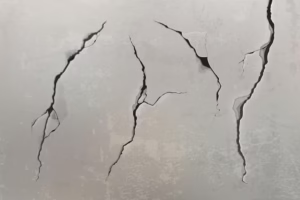
Regular inspections allow early detection of cracks, blisters, and fading. These minor issues often signal larger problems developing beneath the surface.
Seasonal inspections are particularly important for exterior paint maintenance, where sun exposure and weather fluctuations are more extreme. Walk around your property and examine trims, doors, and shaded areas.
Early intervention reduces repair costs and helps maintain long-lasting paint finishes through proactive painting maintenance.
Tip 4: Touch Up Small Areas Promptly
Ignoring small paint defects allows damage to spread. Chips and scratches expose surfaces to moisture and dirt, accelerating deterioration.
Keeping leftover paint for touch-ups is a practical paint durability tip. Prompt repairs help blend imperfections and maintain uniform colour.
This approach strengthens your overall painting maintenance plan by preventing the need for premature repainting.
Tip 5: Protect High-Traffic Areas Indoors
Hallways, stairwells, kitchens, and children’s rooms experience more contact than other spaces. Effective interior paint care focuses on these zones.
Use washable finishes and clean marks quickly. Furniture pads, wall guards, and mindful cleaning routines preserve appearance.
Targeted painting maintenance in high-traffic areas significantly extends paint lifespan and visual appeal.
Tip 6: Shield Exterior Paint from Harsh Conditions
Australian weather can be unforgiving. UV exposure, wind, and rain all contribute to paint degradation.
For effective exterior paint maintenance, trim overhanging vegetation, clear gutters, and ensure proper drainage. These steps reduce moisture retention and surface abrasion.
Environmental protection plays a vital role in maintaining long-lasting paint finishes and reducing repaint frequency.
Tip 7: Use Gentle Cleaning Techniques
Harsh chemicals and high-pressure washing can damage paint surfaces. One of the most important paint durability tips is choosing the right cleaning method.
Soft washing with low pressure and mild solutions preserves paint while removing contaminants. This applies to both interior paint care and exterior paint maintenance.
Gentle methods support sustainable painting maintenance without compromising surface quality.
Tip 8: Monitor Colour Fading and Chalking
Fading and chalking are signs that paint protection is weakening. While common on exterior surfaces, these issues should not be ignored.
Early detection allows homeowners to apply sealers or plan timely repainting before surfaces are exposed. Monitoring these changes supports informed house painting upkeep.
Consistent observation strengthens your painting maintenance strategy and protects underlying materials.
Tip 9: Schedule Professional Assessments Periodically
While DIY maintenance is valuable, professional assessments provide expert insight. Experienced painters can identify issues invisible to the untrained eye.
Periodic inspections help ensure that your painting maintenance approach aligns with surface conditions, paint type, and environmental factors. Professionals can also recommend targeted repairs or upgrades.
If you need expert advice or support, reach out via the Contact Us page to discuss tailored solutions.
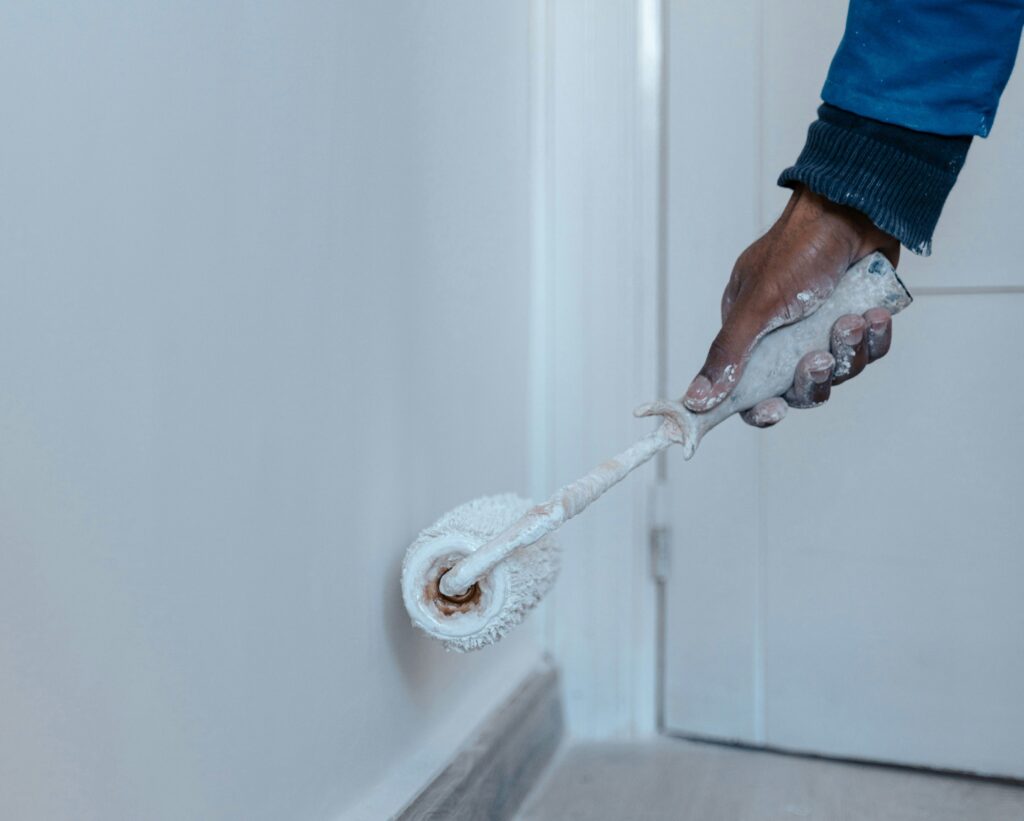
Tip 10: Plan Preventative Recoating Before Failure
Waiting until paint fails completely increases costs and risks. Preventative recoating refreshes protection before damage occurs.
Strategic repainting is a proactive form of painting maintenance that preserves surfaces and maintains consistent appearance. This approach supports long-lasting paint finishes while avoiding emergency repairs.
A well-timed refresh is one of the smartest paint durability tips available to property owners.
How Painting Maintenance Saves Money Over Time
Consistent painting maintenance reduces the frequency and scope of repainting projects. By addressing minor issues early, homeowners avoid extensive surface preparation and structural repairs.
Long-term benefits include:
Lower maintenance and repair costs
Extended paint lifespan
Improved property value
Reduced disruption to daily life
Smart house painting upkeep is an investment that pays dividends through durability and peace of mind.
Interior vs Exterior Painting Maintenance: Key Differences
While the principles are similar, interior paint care and exterior paint maintenance require different priorities.
Interior maintenance focuses on cleanliness, abrasion resistance, and stain prevention. Exterior maintenance prioritises weather protection, UV resistance, and moisture control.
Understanding these differences allows homeowners to apply the right painting maintenance techniques in the right locations.
Building a Long-Term Painting Maintenance Routine
Successful painting maintenance is ongoing, not occasional. Creating a simple schedule helps ensure consistency.
A practical routine may include:
Quarterly interior inspections
Seasonal exterior checks
Annual professional assessments
Prompt touch-ups as needed
This structured approach supports long-lasting paint finishes and reliable performance.
When to Seek Professional Support
Some signs indicate that professional intervention is necessary. Widespread peeling, persistent mould, or structural cracking require expert evaluation.
If your maintenance efforts are no longer sufficient, professional painters can restore performance and appearance efficiently. Noble Painting offers expert solutions backed by experience and attention to detail.
Final Thoughts on Painting Maintenance
Maintaining paintwork is about protecting your home, preserving beauty, and maximising value. With consistent painting maintenance, homeowners can enjoy durable finishes that withstand time and environment.
By applying these ten strategies, you create a proactive system that supports interior paint care, strengthens exterior paint maintenance, and delivers long-lasting paint finishes. Thoughtful house painting upkeep ensures your property continues to look its best while avoiding unnecessary expense.
With the right knowledge and occasional professional guidance, effective painting maintenance becomes a simple, rewarding part of home ownership.