Table of Contents
Oil paint is loved for its rich texture, depth, and timeless finish — but one challenge every artist faces is waiting for it to dry. Unlike acrylics that dry within minutes, oil paint can take days or even weeks to cure completely. Whether you’re an artist in a hurry, a DIY enthusiast working on a mural, or a homeowner refreshing a space, understanding the best Tips to Dry Oil Paint can save you time and frustration.
At Noble Painting, we appreciate the balance between creativity and practicality. So, let’s explore professional methods, insider oil painting tips, and tried-and-true fast drying techniques that help your oil paint dry evenly — without sacrificing quality or color.
Why Oil Paint Takes So Long to Dry
Before diving into Tips to Dry Oil Paint, it’s important to understand the science behind oil-based paints. Oil paint dries through oxidation, not evaporation. That means oxygen from the air reacts with the oil binder, slowly transforming the wet pigment into a solid film.
This process is naturally slower than water-based paints and depends on several factors:
Type of oil used (linseed oil dries faster than safflower or poppy seed oil)
Thickness of paint application
Temperature and humidity
Color pigments (some pigments dry faster than others)
Understanding these variables is the first step to mastering efficient oil painting tips that actually work.
Tip #1: Choose the Right Paints and Mediums
Not all oil paints are created equal. Some formulas are naturally faster-drying, while others are designed for extended blending time. Choosing the right products can make a major difference.
Select Fast-Drying Oils
Paints that use linseed oil as a binder generally dry faster than those mixed with poppy or walnut oil. If your project timeline is tight, check the label before purchasing.
Use Alkyd Mediums
One of the most effective fast drying techniques is incorporating alkyd mediums like Liquin or Galkyd. These mediums speed up oxidation without changing the consistency or sheen of your paint.
Pro Artist Painting Hack:
Mixing a small amount of alkyd medium into your paint can cut drying time by up to 50%, allowing layers to be touch-dry within hours instead of days.
Avoid Excess Oil
Too much oil slows drying significantly. If your mixture looks overly glossy or slippery, add a little more pigment or solvent to balance it.

Tip #2: Apply Paint in Thin Layers
One of the most overlooked Tips to Dry Oil Paint is controlling paint thickness. Thick, impasto-style applications trap oil inside, preventing oxygen from reaching the inner layers.
Practice “Fat Over Lean”
This classic oil painting tip means applying thinner (lean) layers first and thicker (fat) layers on top. Each new layer should contain slightly more oil than the one beneath it. This ensures even drying and prevents cracking over time.
Benefits of Thinner Layers:
Faster drying between coats
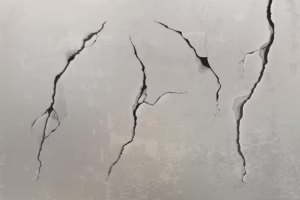
Reduced risk of wrinkling or cracking
More control over blending and details
Artist Painting Hack: Use a palette knife to remove excess paint before it dries — it creates texture while keeping the layer thin enough to dry evenly.
Tip #3: Optimize Your Environment
Your surroundings play a huge role in oil paint drying time. Creating the right environment helps paint cure efficiently and evenly.
Control Temperature
Oil paint dries best at room temperature (around 21°C to 24°C). Too cold, and oxidation slows dramatically; too hot, and the surface can dry too fast, trapping wet paint underneath.
Fast Drying Technique:
Use a small space heater or a warm, well-ventilated room to maintain steady warmth — but keep the heat indirect to avoid damaging pigments.
Manage Humidity
Humidity is a major enemy of fast drying. High moisture levels in the air can delay oxidation.
Pro Tip:
Use a dehumidifier in damp spaces, or move your painting to a drier environment until the surface feels tack-free.
Increase Air Circulation
A steady flow of air helps oxygen reach the paint surface.
Use a ceiling or box fan (set to low speed).
Open windows slightly for ventilation.
Avoid placing the artwork in dusty or windy areas.
These small environmental tweaks are some of the simplest Tips to Dry Oil Paint that make a noticeable difference.
Tip #4: Use Heat and Light Strategically
You can’t rush creativity — but with a few smart tricks, you can gently speed up the drying process without compromising quality.
Natural Sunlight
Sunlight provides gentle warmth and UV rays that can accelerate oxidation. Place your artwork in a well-lit area, but avoid direct sunlight for long periods, as it may fade colors.
Heat Lamps and Drying Boxes
If you’re working on multiple pieces or large surfaces, controlled heat sources like infrared lamps or drying boxes offer consistent results.
Painting Material Tip:
Use adjustable lamps positioned 2–3 feet away to prevent overheating. A few hours under steady warmth can reduce oil paint drying time by almost half.
Avoid Hair Dryers
While tempting, hair dryers blow too much hot air too quickly and can cause the paint surface to dry while the inner layers remain wet — leading to cracks. Instead, focus on low, consistent heat.

Tip #5: Modify Your Painting Materials and Technique
The tools and materials you choose directly affect how quickly oil paint sets.
Choose the Right Surface
Oil paint dries faster on absorbent surfaces like gesso-primed canvas or wood panels compared to smooth, non-porous surfaces.
Use Solvents Wisely
Adding a small amount of solvent like turpentine or mineral spirits thins the paint and promotes faster drying by reducing oil content.
Use only in the early stages (“lean” layers).
Ensure proper ventilation to avoid fumes.
Experiment with Drying Agents
Professional artists sometimes use cobalt or manganese dryers to speed up curing. These additives should be used sparingly, as too much can make paint brittle over time.
Artist Painting Hack:
Test any new medium on a small sample area first. Different pigments react uniquely to additives, and balance is key to maintaining color integrity.
Bonus: How to Avoid Uneven Drying
Uneven drying is one of the most common issues artists face. Some areas remain tacky while others harden completely. To avoid that:
Keep paint layers uniform in thickness.
Use consistent lighting and temperature.
Avoid mixing fast- and slow-drying pigments in the same layer.
Don’t seal the surface until fully cured.
Painting Hack:
Label your paintings with the date and medium used — it helps track drying progress and prevents premature varnishing.
The Role of Patience in Oil Painting
Even with all the Tips to Dry Oil Paint, patience is still part of the process. Rushing can lead to cracking, dull colors, or uneven finishes. Think of drying time as part of the art itself — the phase where your painting settles and matures.
If you’re painting walls or furniture with oil-based coatings, the same principle applies. Thin coats, ventilation, and patience are your best friends. For homeowners in Brisbane who prefer a flawless, professional touch, our Residential Painters Brisbane team ensures even application and durable results using advanced techniques and high-quality materials.
Comparing Oil and Other Paint Types
It’s worth noting how oil paints differ from other options in terms of drying and durability:

Understanding these differences helps you choose the right material for your next creative or home project.
Common Myths About Drying Oil Paint
Let’s debunk a few misconceptions about Tips to Dry Oil Paint that often mislead beginners.
Myth 1: “Oil Paint Never Fully Dries”
False — it does dry, but slowly. Oil paint undergoes a chemical curing process that can take months to fully harden, but it becomes touch-dry much sooner.
Myth 2: “Adding More Solvent Makes Paint Dry Faster”
While thinner paint dries faster, excessive solvent can cause cracking and weaken adhesion.
Myth 3: “Direct Sunlight Is Always Best”
Too much sunlight can overheat or fade colors. Moderate, indirect light is safer.
Myth 4: “All Pigments Dry at the Same Rate”
Different colors behave differently — umbers and siennas dry quickly, while titanium white and cadmium red take much longer.
When to Varnish or Recoat
Knowing when to apply varnish or a second layer is crucial to maintaining the integrity of your work.
Touch-Dry: You can gently add new layers when the surface is no longer tacky.
Fully Cured: Wait 6–12 months before varnishing finished artwork to allow complete oxidation.
Wall Paints: For home applications, recoat after 24 hours unless otherwise specified on the label.
If you’re unsure about drying times for your project, feel free to contact us for professional guidance and painting advice.
Extra Pro Tips from the Experts
Here are a few more insider oil painting tips from professionals that can elevate your results:
Store Paintings Upright: Helps airflow reach all sides.
Avoid Plastic Covers: Traps moisture and slows drying.
Label Paint Tubes: Note which are fast- or slow-drying for future reference.
Plan Projects Seasonally: Drying is faster in dry, warm months than in winter.
Use the Right Varnish: Matte or gloss finishes affect appearance and protection.
Each of these techniques complements the main Tips to Dry Oil Paint and contributes to consistent, professional outcomes.
Bringing It All Together
Learning how to speed up oil paint drying time is a mix of science, technique, and experience. From choosing the right mediums to optimizing your workspace, each detail plays a role in achieving that perfect, even finish.
Whether you’re an artist perfecting your craft or a homeowner giving your space a luxurious oil-based finish, these Tips to Dry Oil Paint ensure your work not only dries faster but lasts longer.
For more expert painting advice, visit our homepage or connect with our Residential Painters Brisbane team for professional results that combine beauty, precision, and durability.
Final Thoughts
Mastering Tips to Dry Oil Paint isn’t just about saving time — it’s about understanding how paint behaves. With these expert insights, you’ll be able to produce smoother, more durable, and professional-looking finishes whether on canvas or walls.
If you’d rather leave the painting to the pros, the team at Noble Painting is here to help. From home interiors to creative projects, we bring skill, precision, and artistry to every brushstroke.
FAQs About Drying Oil Paint
1. What’s the fastest way to dry oil paint on canvas?
Use thin layers, alkyd mediums, and moderate heat or airflow to speed up oxidation naturally.
2. Does color affect oil paint drying time?
Yes — darker earth tones like umber and sienna dry faster than lighter pigments like titanium white.
3. Can I mix acrylics with oil paint to dry faster?
No. Acrylic and oil paints have different bases and won’t bond properly. Always layer acrylic under oil, never the reverse.
4. How do I know when my painting is completely dry?
The paint should feel firm and not tacky to the touch. Full curing can take several months, depending on thickness and medium.
5. What’s the safest drying environment?
A warm, dry, well-ventilated space with moderate indirect light ensures even, consistent results.