On this page
Painting guides / Exterior Painting & Queenslanders
Published: 6 September 2026 · Updated: 4 October 2026
By Noble Painting Editorial Team · 5-minute read
Painting exterior brick can change a Brisbane home’s appearance, but it also commits the walls to an ongoing coating maintenance cycle. Before choosing a colour, establish whether the masonry is suitable to paint and whether water, salts, repairs or an existing coating need attention. A sound wall and a clearly specified system matter more than a quick visual transformation.
Quick answer: have the brickwork assessed, resolve outstanding building defects, approve a representative sample and obtain a written preparation and coating specification. Painting over a problem should not be used as a substitute for fixing it.

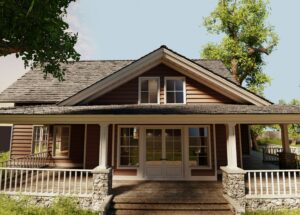
Illustrative image.
Decide what you want to change
Identify whether your goal is a new colour, a more consistent appearance or a different texture. Ordinary painting and rendering are different scopes. A paint coating does not automatically flatten recessed mortar joints, conceal damaged masonry or produce the appearance of a rendered wall.
Walk around the house and photograph each elevation. Note downpipes, eaves, windows and nearby paving that will influence the finished scheme. Compare the desired appearance with the practical process in our exterior house painting guide before requesting prices.
Assess the brickwork before specifying paint
A site inspection should distinguish unpainted masonry from previously coated areas. Identify loose or deteriorated mortar, visibly damaged bricks, cracking and evidence of moisture. A white deposit may need investigation rather than an immediate coating recommendation. Tell the assessor whether marks reappear after rain or cleaning.
Record symptoms without diagnosing them yourself. A painter may identify matters requiring a builder, plumber or masonry specialist before decorative work proceeds. The inspection should establish who is responsible for that follow-up and what needs to be completed before a firm painting date is agreed.
Confirm drainage, repairs and the boundaries of the job
Look at the relationship between the walls, gutters, garden beds and paving. Ask whether anything is preventing the masonry from drying normally. Avoid agreeing a cosmetic fix while a known water issue remains unresolved. If repair work is needed, specify the sequence and the evidence required before coating begins.
Our guide to assessing wall cracks explains why the cause matters. On exterior masonry, the extent and type of cracking still need an appropriate site assessment; a decorative coating is not a structural repair.
Ask for a system suited to this wall
The specification should identify the substrate, preparation, primer or sealer where required, and compatible topcoats. Ask for the current manufacturer instructions that apply to the selected system. Do not transfer a product recommendation from a different house without checking the surface and existing coating.
Dulux publishes an exterior brick painting guide and an exterior paint range. Use those resources as a starting point for a product discussion, rather than a diagnosis of your particular walls. Our exterior paint selection guide covers the wider questions of exposure and suitability.
Approve the colour on a representative area
Choose a sample area with the actual brick texture and mortar pattern. Check it in shade and direct daylight, alongside windows and the roof. A small smooth colour card cannot show how an irregular brick surface will read from the street.
Include adjoining materials in the decision. Decide whether trims and downpipes will be painted, retained or excluded. Confirm permission where the property is subject to heritage, body corporate or other controls, rather than assuming a colour change is solely a homeowner decision.
Define protection and access
Identify gardens, paths, vehicles, neighbouring property and items attached to the walls. Ask how these will be protected and who moves outdoor furniture. Access to upper walls can affect both the scope and programme; request that equipment and working areas are discussed during the inspection.
If spray application is proposed, ask how masking, wind conditions and overspray control will be managed. Our spray versus roller comparison helps frame the discussion. The right method depends on access, texture and the coating system, not simply which is faster.
Set a realistic programme
Separate repairs, cleaning, drying, coating and return to normal use. Ask which stages depend on weather and how a delay will be communicated. A fixed calendar date should not override the surface condition or the selected product’s application requirements.
For a broader planning overview, read when to paint a house in Brisbane. Keep contingency time for inspections and repair decisions as well as weather. If another trade is working nearby, coordinate their access so fresh coatings are not damaged by later work.
What a useful brick painting scope includes
- The exact elevations, wall areas and exclusions.
- The condition assessment and any repairs by others.
- The proposed cleaning and preparation approach.
- The named coating system and approved colour sample.
- Access equipment, protection and weather allowances.
- Inspection, cleanup, care guidance and product records.
Compare competing quotes against the same list. A shorter preparation scope can explain a lower price, but you need to know whether the difference is appropriate for the wall. Record changes before approving them, including the price and programme effect.
Example: compare two different wall scopes
One proposal may cover only sound, accessible front walls, while another includes side elevations and separate masonry repairs. Those totals are not directly comparable. Ask each contractor to price the same defined areas, and list repairs separately where their extent is not established. Keep the approved sample and photographs with that common scope so both appearance and coverage are clear.
Frequently asked questions
Does painted brick need maintenance?
Yes. Include inspection and future coating maintenance in the decision. Ask how the selected system should be cared for rather than expecting the repaint to be permanent.
Can paint hide uneven mortar or damaged bricks?
It changes colour but does not necessarily remove the underlying texture or repair damage. Agree the expected appearance and any separate repair or rendering work.
Can I paint only the front elevation?
That may be a possible scope, subject to the building and any permissions. Discuss termination points, side views and future matching before deciding.
Plan the assessment
Visit our residential painting page or contact Noble Painting with photos of the brickwork and your intended colour change. Ask for the wall condition, preparation and exclusions to be addressed before you approve a quote.
Explore related painting guides
Continue with Exterior House Painting in Brisbane: What to Expect, browse Exterior Painting & Queenslanders, or explore the complete painting guide library.