
On this page
Painting guides / Exterior Painting & Queenslanders
Published: 10 October 2026
By Noble Painting Editorial Team · 5-minute read
A Queenslander painting budget should start with the condition of the timber and the amount of preparation, not a price per bedroom. Two Brisbane homes with similar floor areas can have very different painting scopes. High walls, decorative details, failing coatings and repairs can all change the work needed before the first finish coat is applied.
This guide helps you build a clear budget brief and compare quotes for the same work. It does not offer an invented average price or predict what every homeowner will pay. A useful estimate comes from inspection, a defined scope and a written explanation of exclusions.
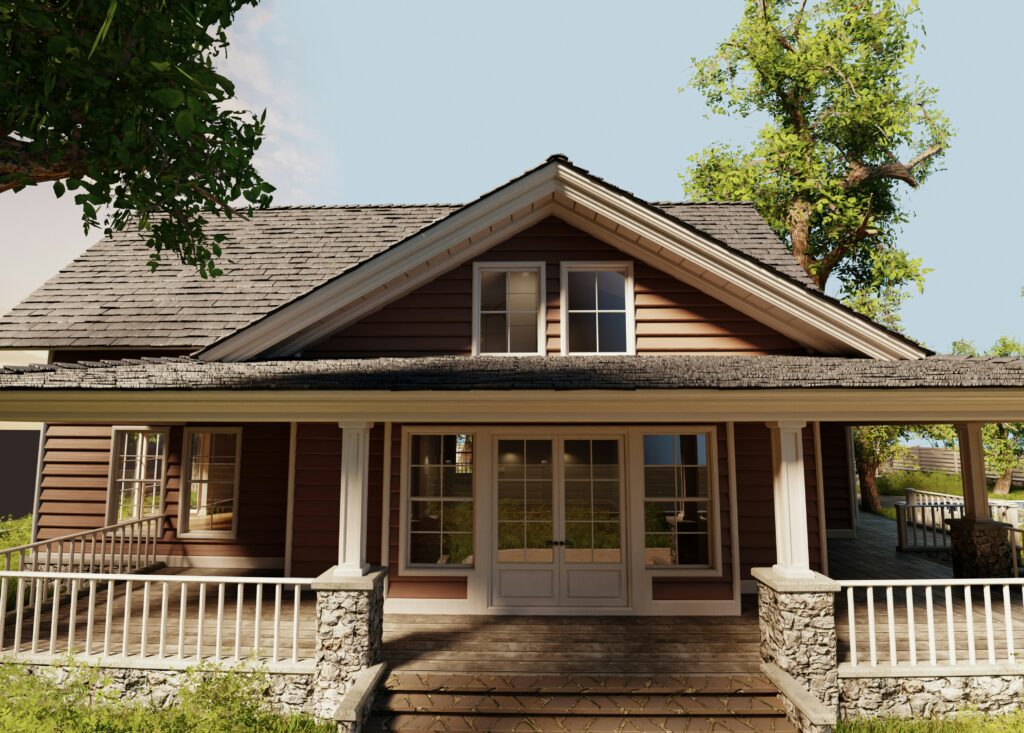
Illustrative image.
List the surfaces before requesting a price
Separate exterior walls, verandah ceilings, balustrades, stairs, doors, windows and other trim. Decide whether the interior is part of this project. Record which areas are included on a simple elevation sketch or annotated photographs. “Paint the outside” is too vague when verandahs and timber details occupy a significant part of the work.
Also record what will remain untouched. A roof, deck, fence or previously coated metal component may require a different product or contractor. Stating exclusions early prevents assumptions on both sides and makes competing proposals easier to compare.
Why preparation can change the budget
Sound paintwork and deteriorated paintwork require different scopes. Walk around the house and note peeling, chalking, exposed timber, staining and gaps, without disturbing suspect old coatings. Photographs of difficult areas can help a contractor plan the inspection.
Ask the painter to describe preparation by surface condition rather than using a single phrase such as “standard prep”. Which areas need cleaning? Which coatings are unsound? Where are repairs required? What assumptions underpin the estimate? Those answers explain the price more clearly than a promise that preparation is “included”.
For the overall sequence, read what to expect during exterior painting. This budget guide focuses on turning that work into a defined proposal.
Separate timber repairs from paint preparation
Painting and building repairs are related but different tasks. Suspected decay, loose components or movement should be assessed by a suitable professional. Agree who investigates, who carries out repairs and whether those costs are included or quoted separately.
A practical quote can identify known repairs and explain how additional damage found during preparation will be handled. Ask for an approval step before extra work proceeds. A contingency in your own budget can provide flexibility, but it should not become permission for unspecified charges.
Include access and site protection
Raised Queenslanders, sloping blocks and restricted side access can make the work more involved. Ask how the contractor will safely reach upper walls and detailed areas. Note garden beds, narrow passages, neighbouring property boundaries and areas where vehicles need to remain accessible.
Discuss the protection of landscaping, windows, roof surfaces, paving and belongings. Confirm whether access equipment, setup and removal are included. A proposal that excludes these items can look attractive until the missing work is added later.
Account for old coatings and character considerations
Do not assume old paint layers are harmless because the visible surface was repainted recently. Tell the contractor the building’s approximate age and any previous testing. Where hazardous coatings are suspected, allow for assessment before ordinary preparation is priced. Ask which assessment is needed before sanding, scraping or stripping is included in the scope.
Brisbane City Council’s traditional timber house guide provides background on architectural styles, paintwork and conservation. Check the property’s applicable heritage or character requirements before making changes. A contractor’s colour suggestion is not a substitute for required planning advice.
Make colour decisions before the scope is final
Prepare a schedule identifying body, trim and accent colours, with the surfaces each colour covers. Extra colour changes and detailed cutting-in can alter the programme. Request samples on suitable boards or approved areas and view them in the conditions where they will be seen.
Our Queenslander colour guide can help organise those choices. Keep the approved colour names and codes in writing so an appealing verbal description does not become a different product at application time.
Compare complete proposals rather than headline totals
- Match the included surfaces and preparation stages.
- Identify repairs, access equipment and protection arrangements.
- Record the proposed products and coating stages for each substrate.
- Check whether taxes and any stated allowances are included.
- Understand exclusions and the approval process for variations.
- Agree milestones, weather allowances, payment terms and handover records.
If one quote is substantially lower, ask which scope item explains the difference. There may be a reasonable explanation, such as a smaller included area. Equally, a more expensive quote may include repairs that the other contractor has excluded. Resolve those differences before making the decision.
Build a practical project budget
Use three headings in your own budget: the agreed painting scope, separately arranged repairs or related trades, and a contingency for genuinely unknown conditions. Add temporary arrangements such as moving outdoor furniture or managing access for occupants. These are household planning costs even when they are not part of the painter’s invoice.
For an illustration, imagine two otherwise similar houses: one has sound accessible weatherboards; the other has high elevations, loose coating layers and several uncertain timber repairs. This is a planning example, not a Noble Painting case study. It shows why the second brief cannot reliably be priced by copying the first home’s total.
Send your surface list, photographs, colour preferences and timing needs to Noble Painting’s residential painting team. A site assessment request is a better starting point than an online average with an unclear scope.
Frequently asked questions
Can I use floor area to estimate exterior painting costs?
Floor area alone misses wall height, details, access, condition and included surfaces. It can help describe the building but does not define the painting work.
Should I repaint everything at once?
Ask about staging and shared setup costs. Prioritise deteriorated areas, but agree how separate stages will maintain a coherent finish and manageable programme.
Do painters automatically include timber repairs?
No. Check the written scope and identify which repairs need another trade. Agree the process for damage found after work starts.
Explore related painting guides
Continue with Exterior House Painting in Brisbane: What to Expect, browse Exterior Painting & Queenslanders, or explore the complete painting guide library.




One Response